


TacOS
Edge Runtime for Autonomy and
Analytics
Low-latency AI on small, power-limited
hardware—offline, reliable, and under operator control.
Why TacOS
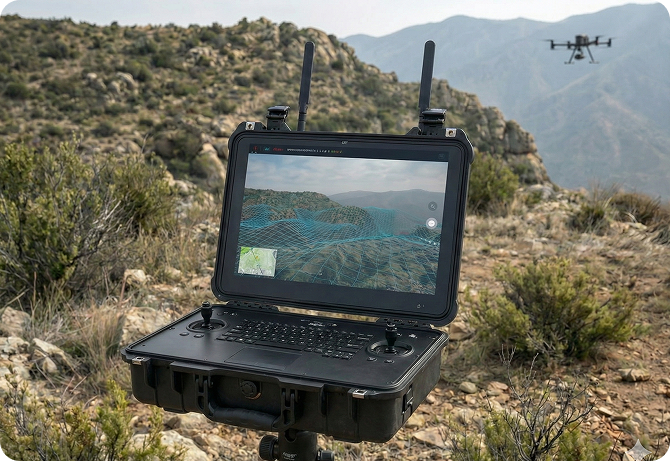
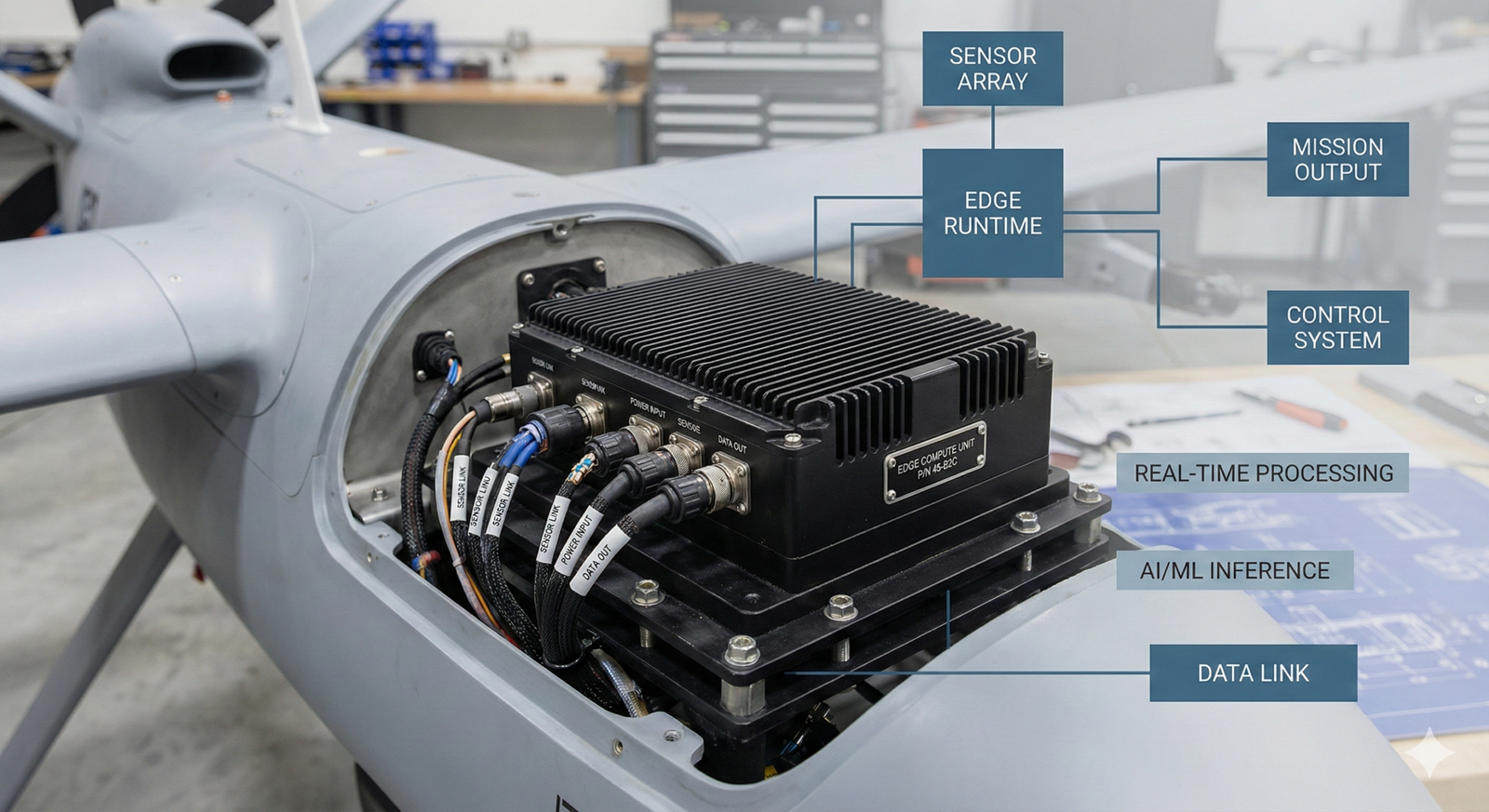
Many edge systems assume constant connectivity or large, power-hungry hardware. TacOS is built to execute AI and mission logic on constrained devices and continue working without the cloud, so autonomy and analytics stay local to the sensor.
Built for Low Swap
Designed for platforms with tight size, weight, and power limits.
True offline mode
Processing and decisions run on device in disconnected and GPS-denied environments.
Operator-driven
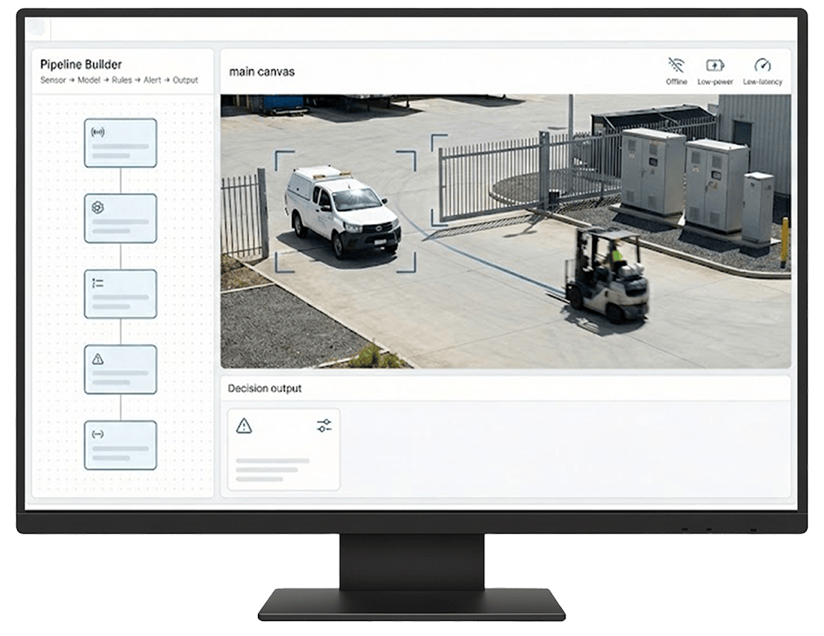
Drag-and-drop pipelines; operators and engineers can adjust flows without developers in the loop.
From sensor to action
Push proven playbooks, not theory, into operations.
From sensor to action
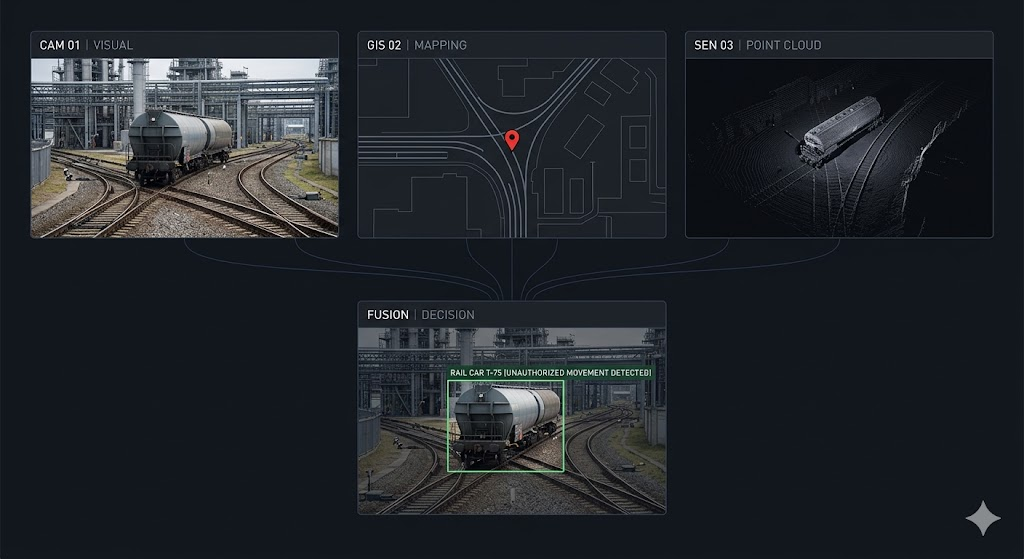
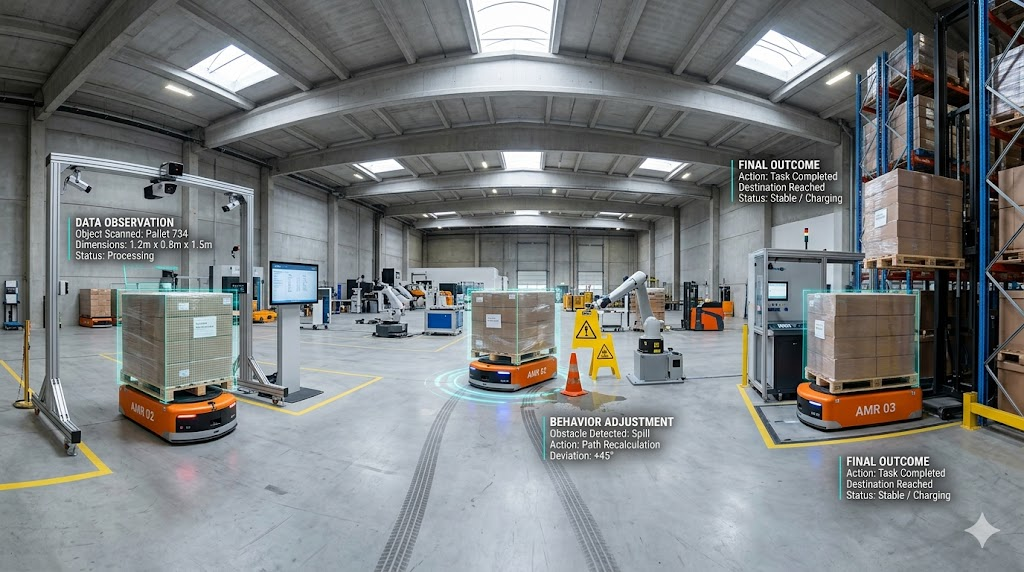
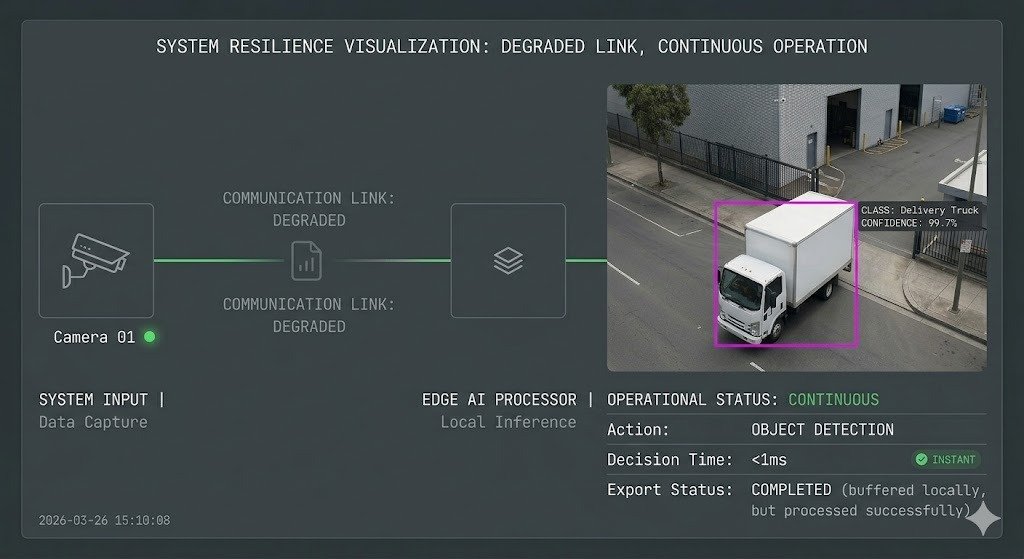
Turns raw feeds into on-device detections, tracks, and mission logic in real time.
What TacOS can do ?
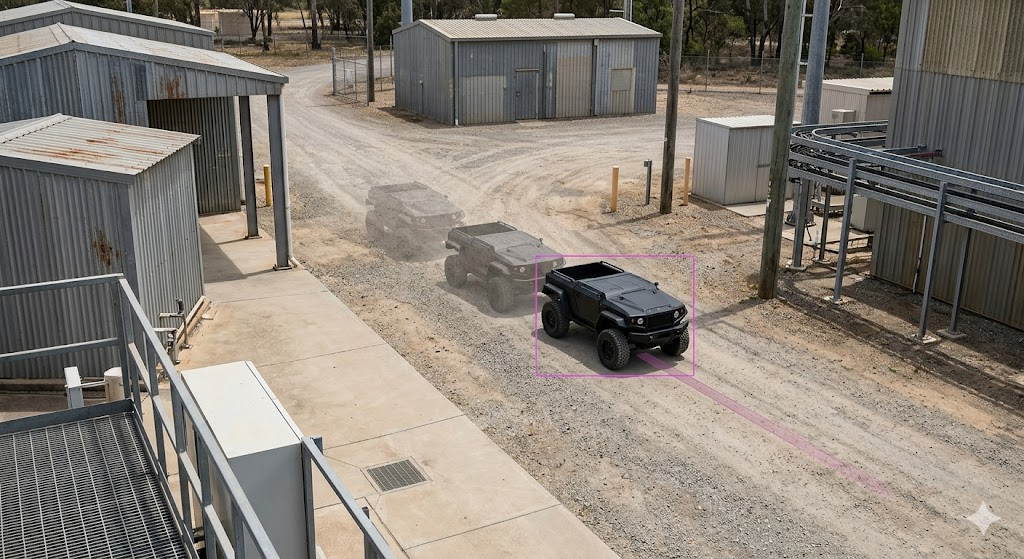
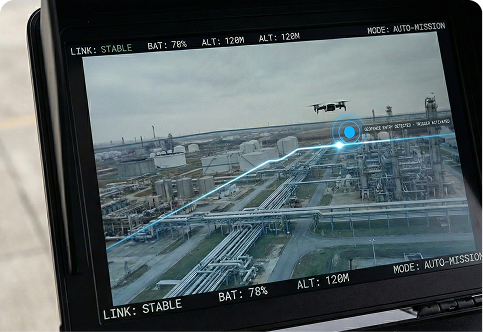
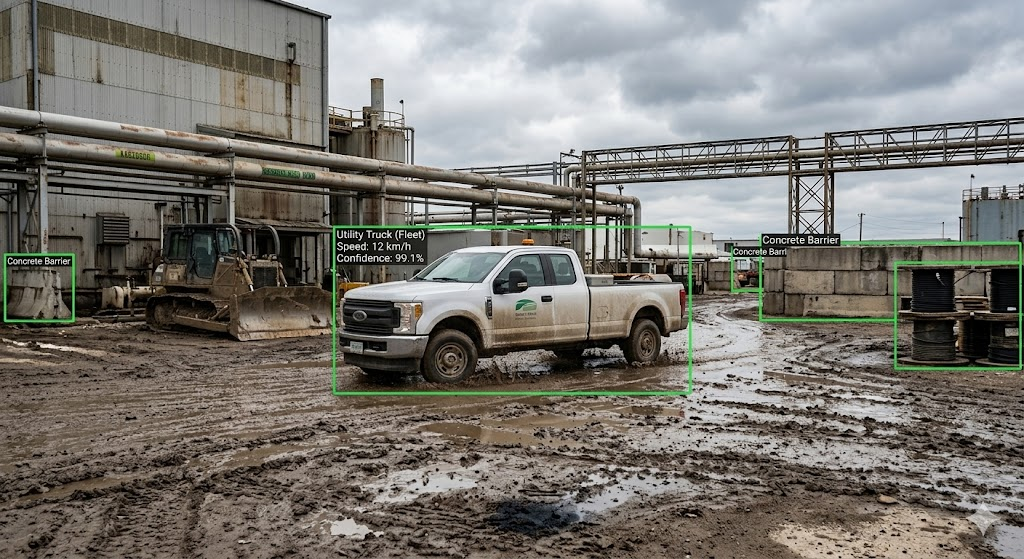
Detect, track, and decide on device
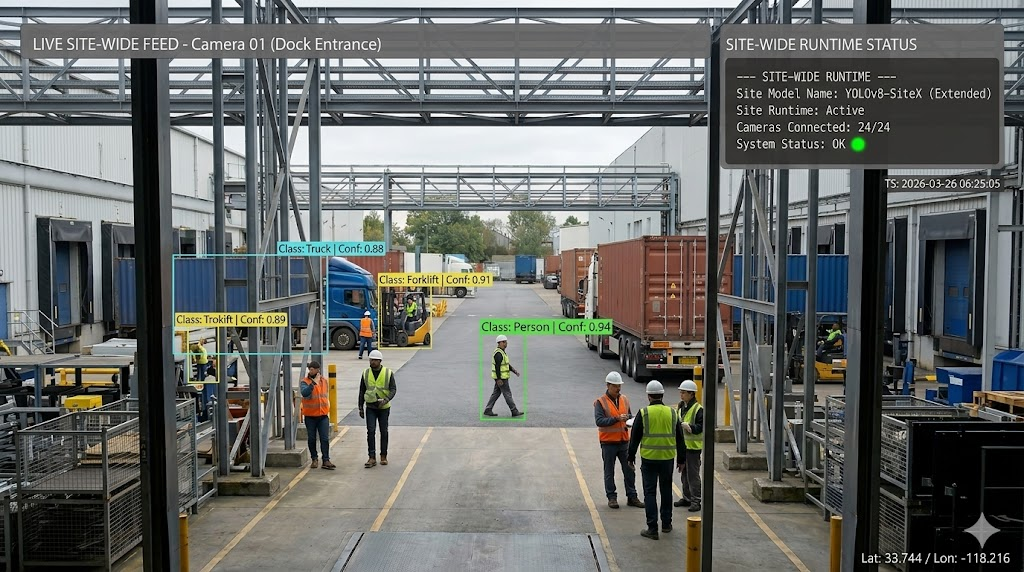
Execute vision models and mission logic with millisecond-level response.
Adapt in the field
Swap models, change thresholds, and update workflows without rebuilding the entire system.
Coordinate across systems
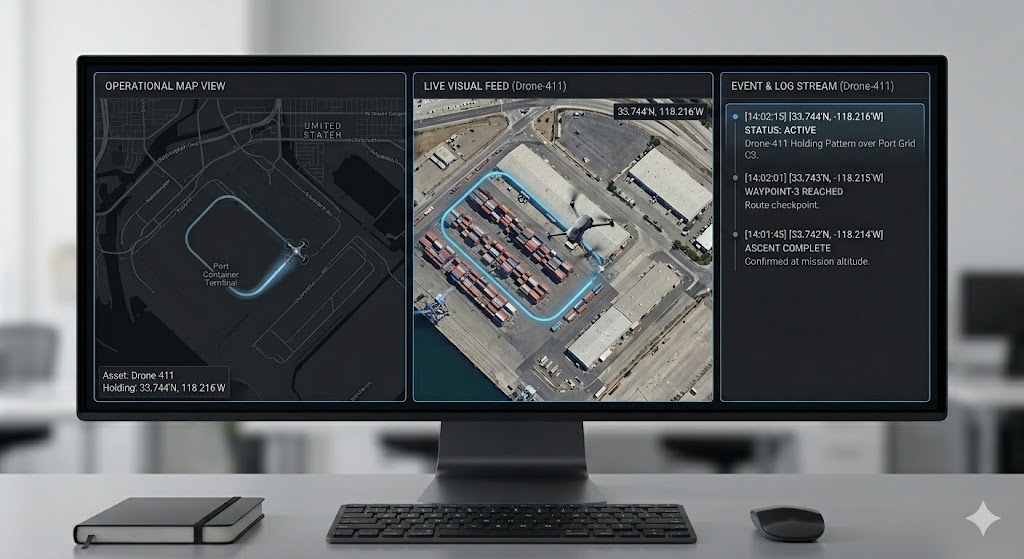
Support swarms and multi-unit tasks across air, ground, and maritime assets.
Connect existing tools
Integrates TAK, GIS, and existing mission tools to keep workflows continuous.
Bring existing models
Run YOLO/MMDet/ONNX/TensorRT and other common formats with no lock-in.
The SynDOJO stack
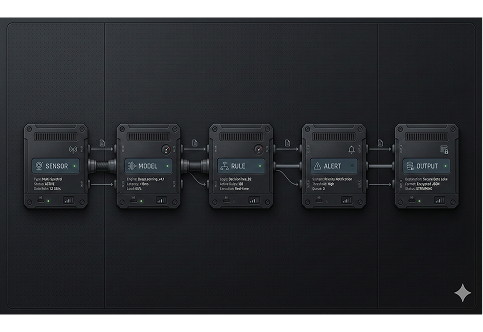
Pipeline Builder
Drag-and-drop nodes for sensors, models, rules, alerts, and outputs.
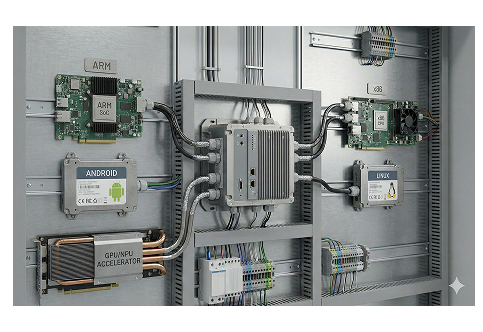
Model Runtime
Optimized execution for ARM and x86; Android & Linux support with hardware acceleration where available.
Mission Logic
Rules, geofences, triggers, and checklists that run locally at the edge.
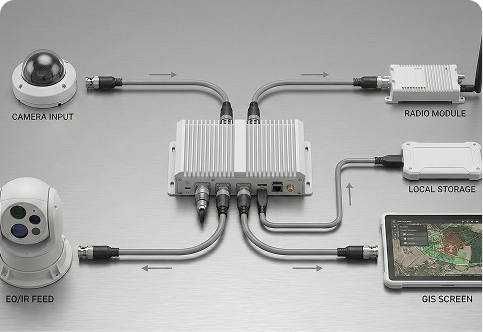
Edge I/O
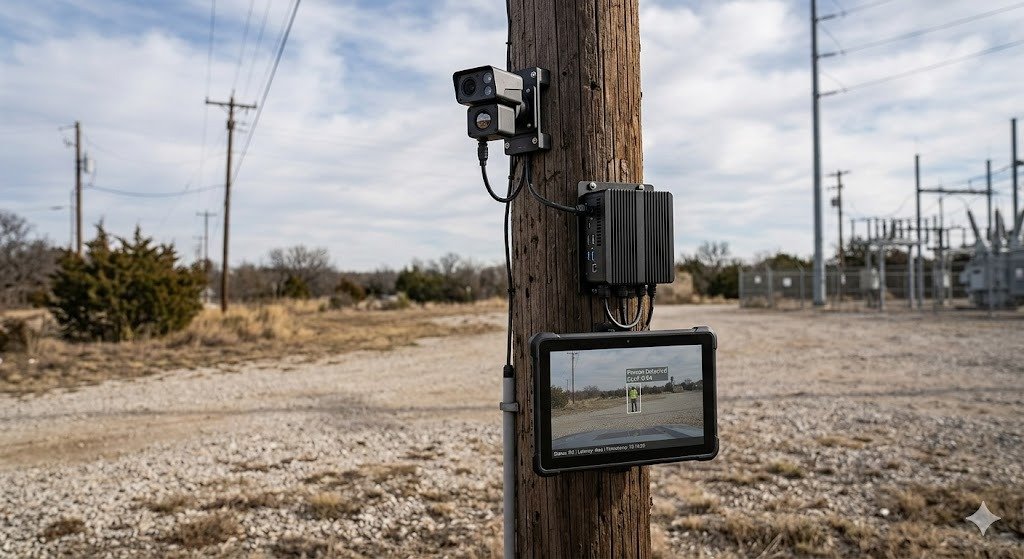
Camera/EO-IR ingest, radio links, storage, and TAK/GIS integrations.
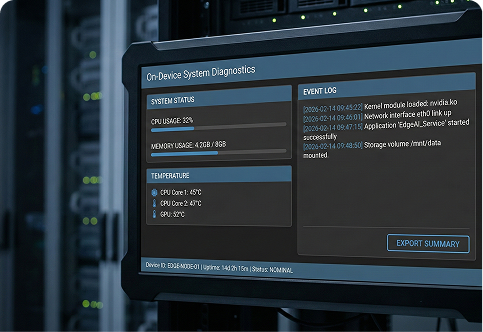
Health & Logs
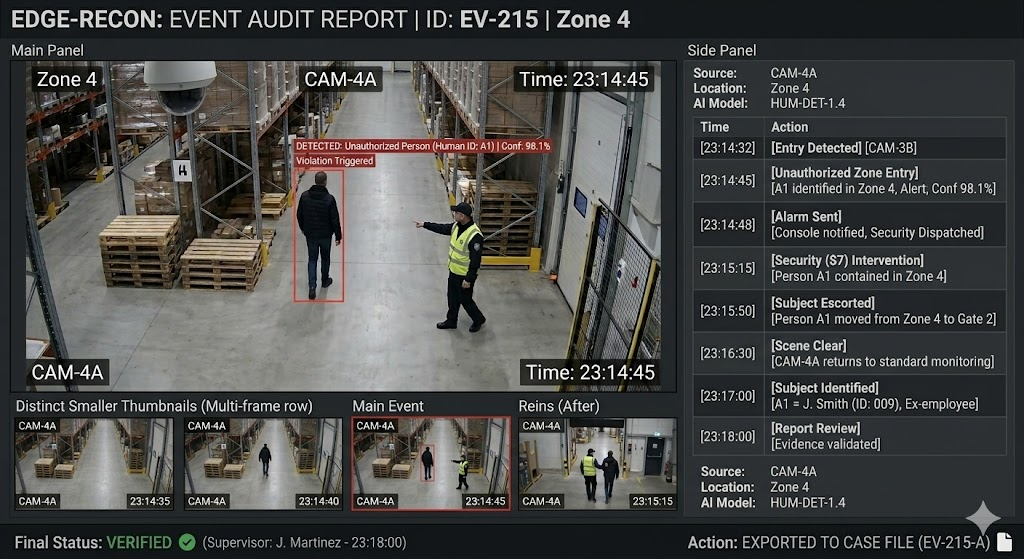
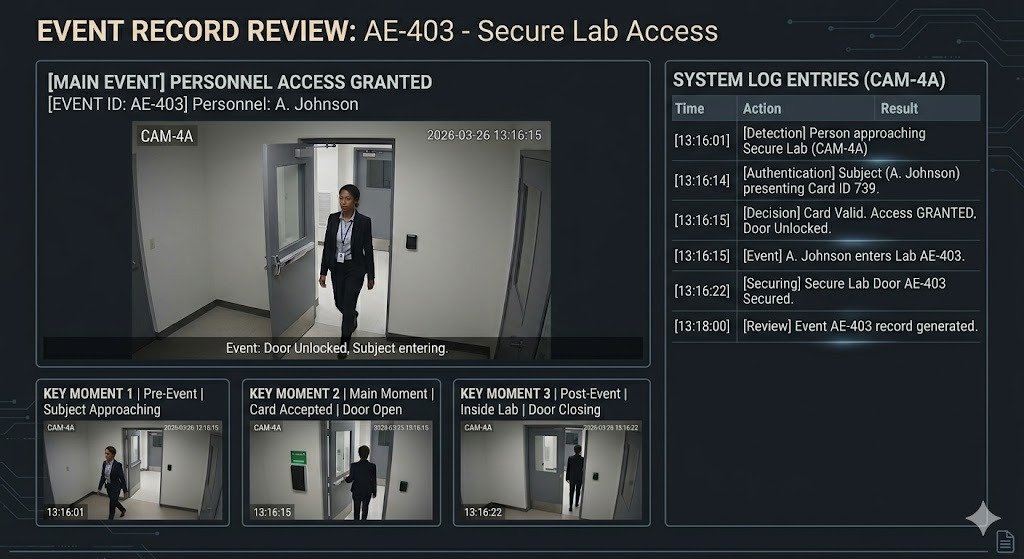
On-device status, diagnostics, and exportable summaries for briefings.
Why TacOS is trusted
Field-ready
Designed for rough comms, variable power, and harsh environmental conditions.
Secure by design
On-prem deployment, role-based access, and audit trails.
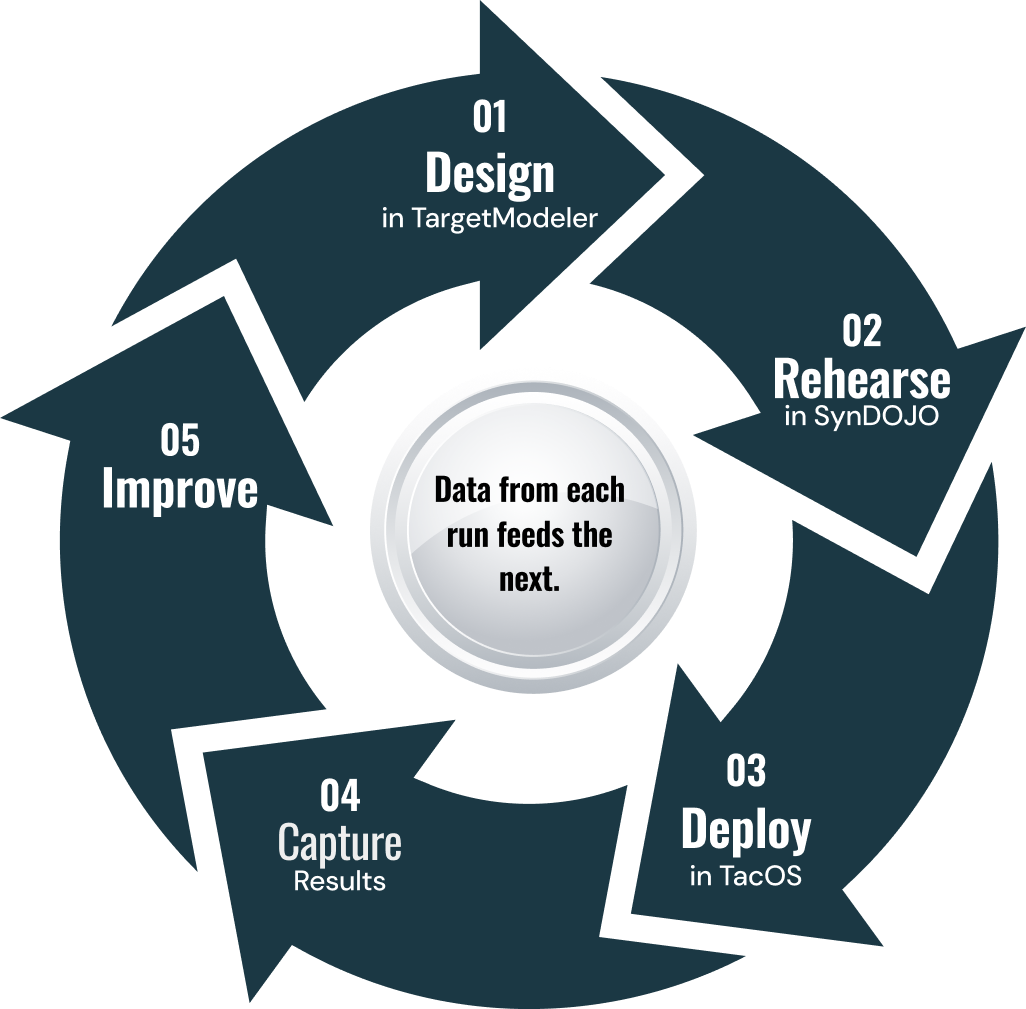
Fits the SensorOps loop
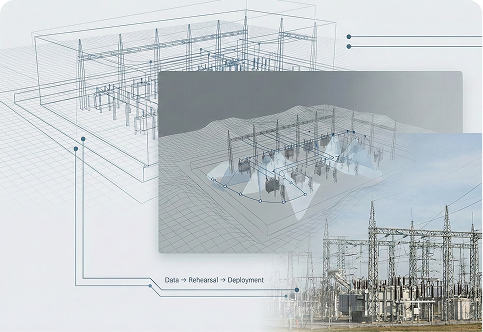
Pair with TargetModeler for training data and SynDOJO for rehearsal, keeping data generation, training, and deployment in one environment.
Operational impact
Detection-to-decision path
Decisions based on on-device detections and tracks instead of waiting on backhaul.
Use of live links
Re-runs caused by comms gaps are reduced because key processing occurs at the edge.
Hardware utilization
High availability on small, SWaP-constrained hardware through optimized runtimes.
Network usage
Bandwidth and backhaul usage is shifted from full-motion video toward derived products when appropriate.
Defense & commercial use cases
Defense
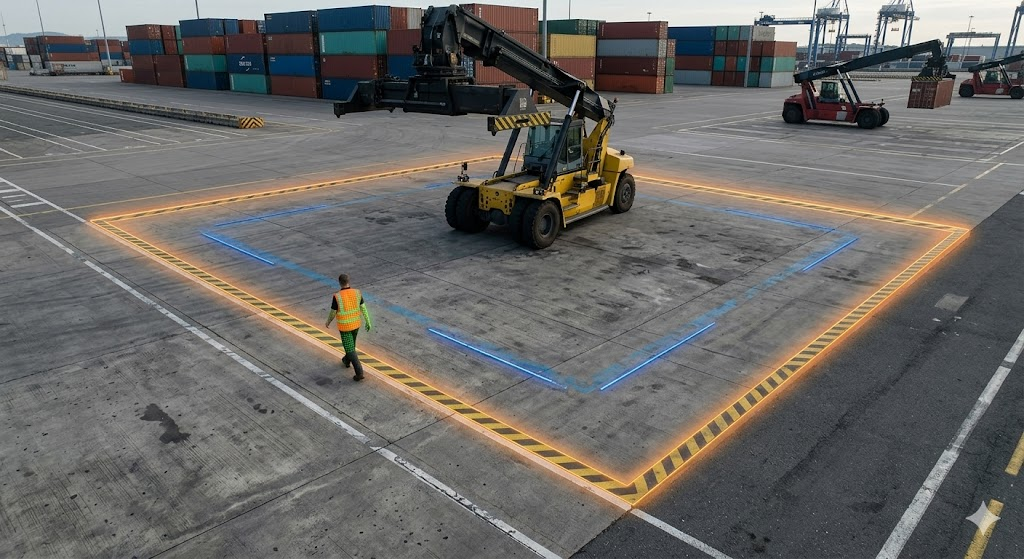
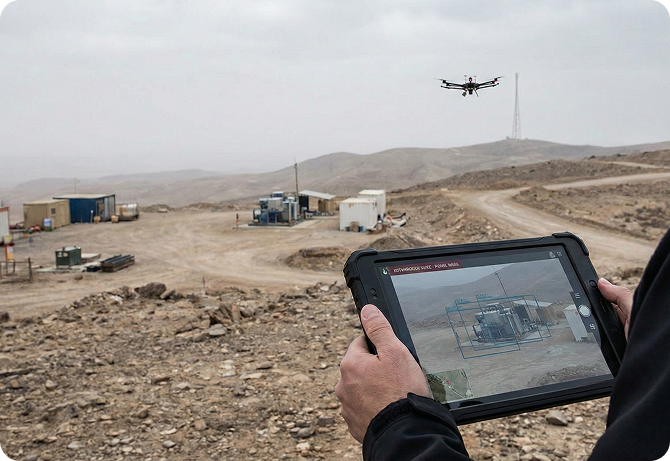
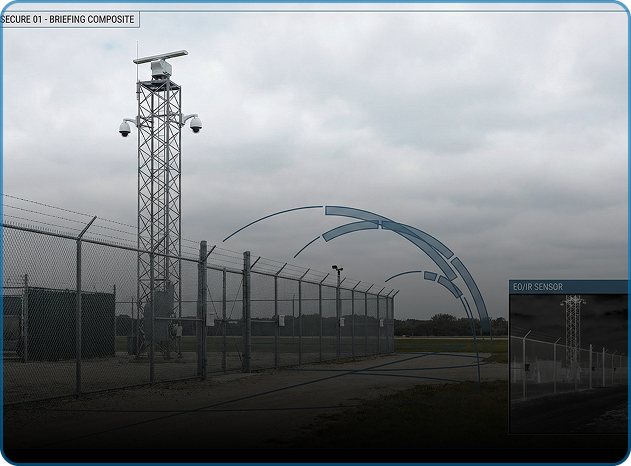
sUAS/UAS ISR, perimeter security, route clearance, EW-degraded operations.
Public safety & critical infrastructure
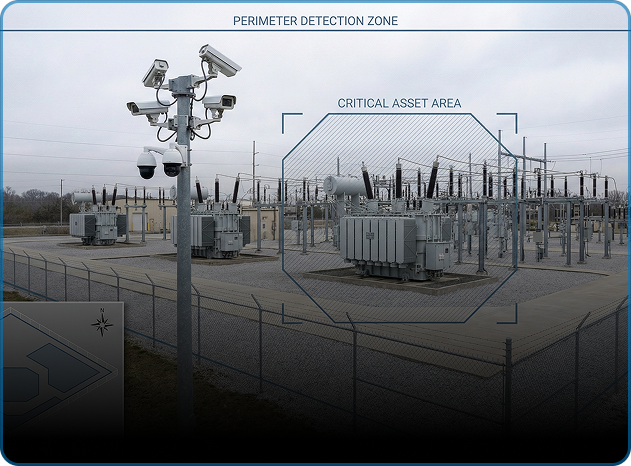
Mobile command, event security, substation and pipeline patrol.
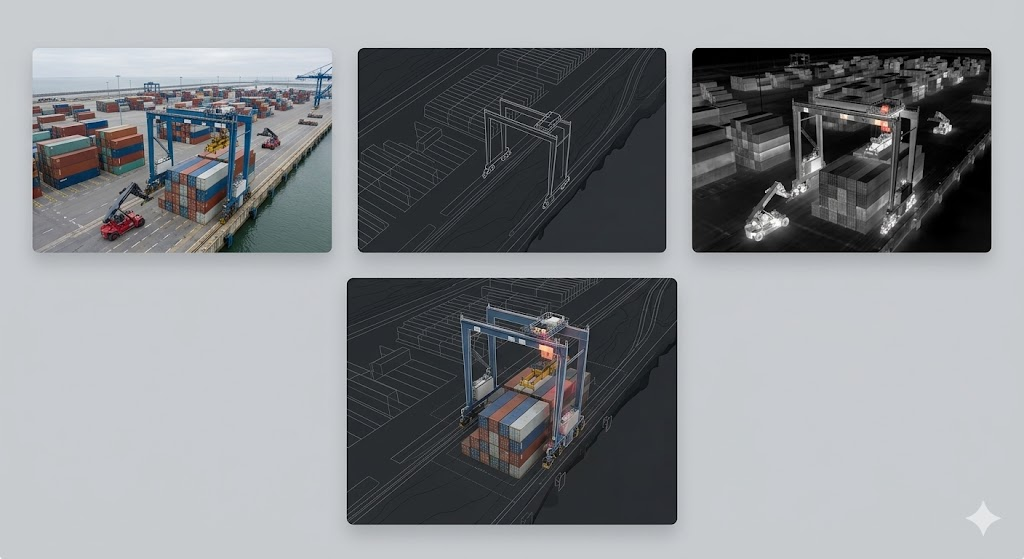
Industrial & logistics
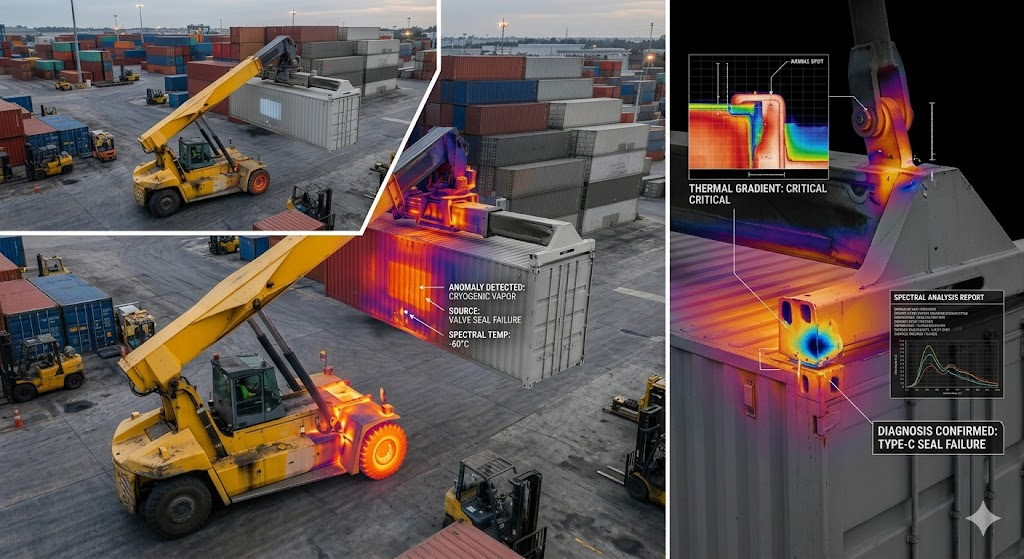
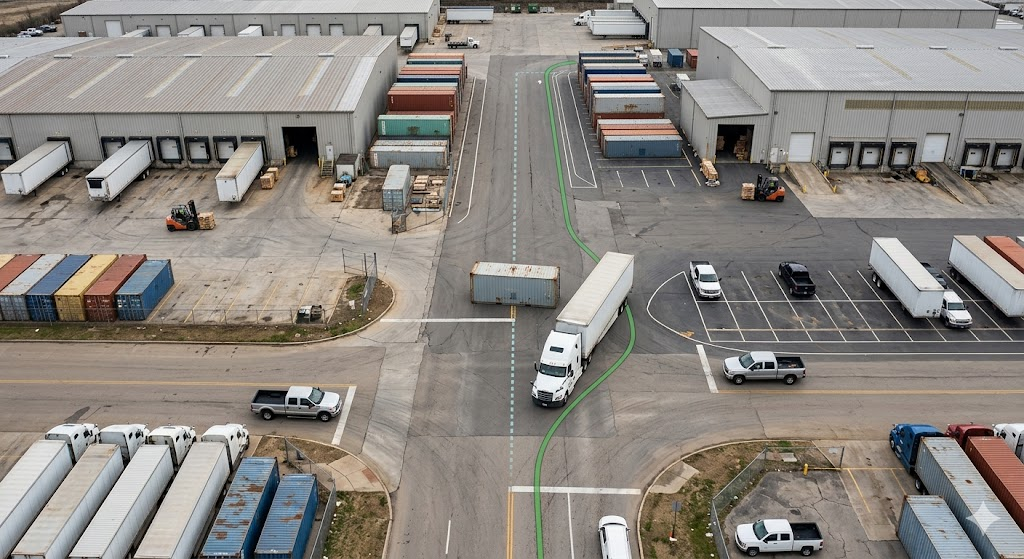
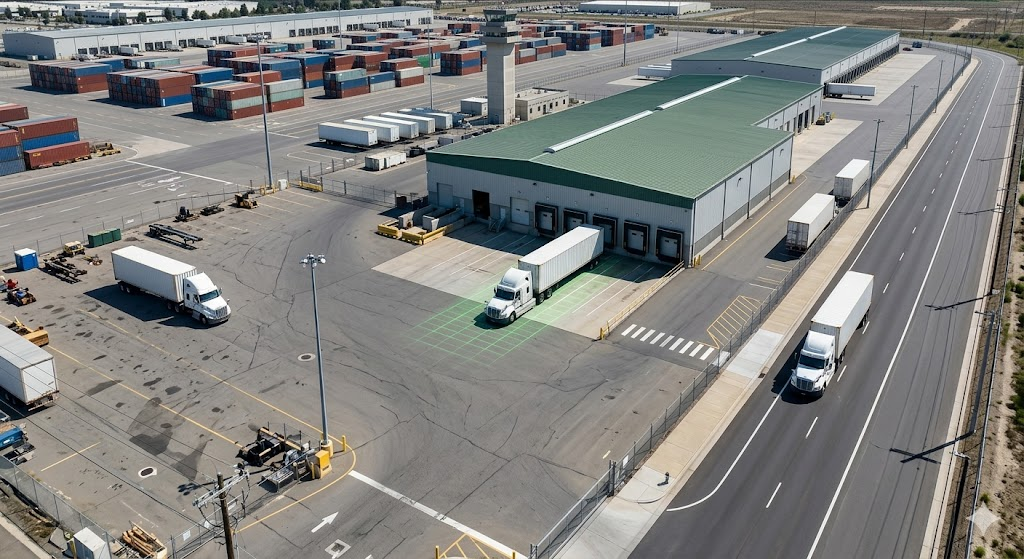
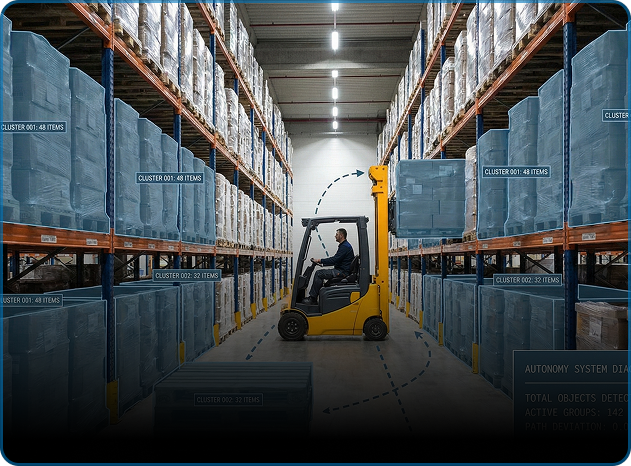
Yard automation, warehouse counting,
inspection and QA.
OEMs & system integrators
Drop-in edge runtime that supports customer deployments without designing a new inference stack.
How teams use SynDOJO
- 01
Design in TargetModeler
- 02
Rehearse in SynDOJO
- 03
Deploy on TacOS
- 04
Capture results
- 05
Improve
Each cycle refines performance while keeping staffing stable
Pricing & deployment
Start with a single platform or mission profile and expand as requirements grow. On-prem install with optional cloud assist.
Contact SensorOps for deployment options and pricing.
Program impact at a glance
Power envelope
Sub-10 W edge targets supported in typical TacOS configurations

Latency
Model-to-action response under 50 ms in representative setups
Deployment timeline
Initial deployment on supported devices commonly completed within a day
Common questions
Yes, processing and decisions run on device.
It is a long established fact that a reader will be distracted by the readable content of a page when looking at its layout